
Pelican Marsh Brush Removal Services
Choose our Brush Removal service for fast, thorough clearing that enhances your property's safety, beauty, and value—handled by local experts who care about your landscape.
Get a Free QuoteOur Pelican Marsh Landscaping & Yard Care Services
When to Schedule Brush Removal in Pelican Marsh, Florida – Seasonal Guide
In Pelican Marsh, Florida, timing your brush removal is essential for maintaining a healthy and attractive landscape. The subtropical climate means that vegetation grows rapidly, especially during the warm, humid months. The best periods for brush removal are typically late winter through early spring, just after the last frost date and before the onset of the rainy season. This timing helps prevent regrowth and minimizes disruption to local wildlife. Neighborhoods near the Cocohatchee Strand and around the Pelican Marsh Golf Club often experience dense undergrowth due to ample shade and rich, loamy soils, making regular brush management even more important.
Local environmental factors such as high humidity, occasional drought risk, and the prevalence of shaded lots influence the optimal schedule for clearing brush. Homeowners should also be aware of municipal guidelines and seasonal restrictions, which can vary by community. For more information on local regulations, visit the official municipal website.
Local Factors to Consider for Brush Removal in Pelican Marsh
- Tree density and canopy coverage, especially in areas like Timarron and Watercrest
- Soil type and drainage, which affect regrowth rates
- Seasonal precipitation patterns and risk of drought
- Frost dates and timing of new growth
- Municipal restrictions or neighborhood association guidelines
- Terrain and accessibility of your property
Benefits of Brush Removal in Pelican Marsh
Enhanced Curb Appeal
Improved Property Safety
Prevention of Pest Infestations
Healthier Plant Growth
Increased Usable Space
Reduced Fire Hazards
Pelican Marsh Brush Removal Types

Manual Brush Clearing
-
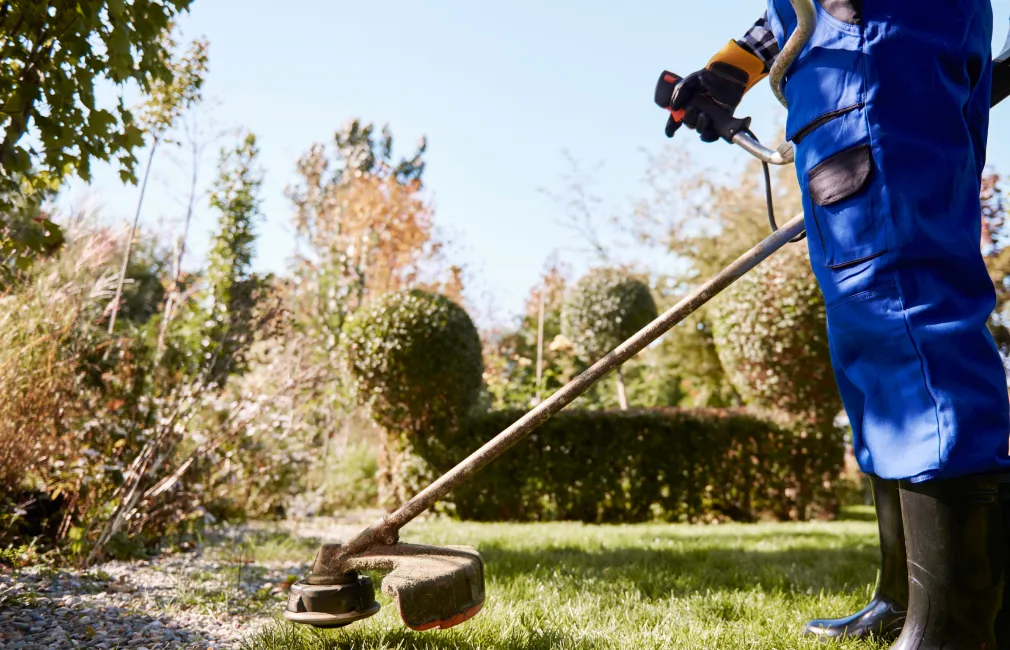
Mechanical Brush Removal
-
Selective Brush Thinning
-
Brush Mowing
-
Stump Grinding
-
Debris Hauling
-
Site Cleanup
Our Brush Removal Process
Site Evaluation
Safety Preparation
Brush Clearing
Debris Removal
Final Inspection
Why Choose Pelican Marsh Landscape Services
-
Pelican Marsh Homeowners Trust Us
-
Expert Lawn Maintenance
-
Reliable Irrigation Solutions
-
Comprehensive Tree Care
-
Prompt Response Times
-
Competitive Pricing
-
Personalized Service Plans
Coordinating Brush Removal with Pelican Marsh's District and County Services
Pelican Marsh operates as a Community Development District (CDD) within unincorporated Collier County, which means brush removal coordination involves both the district's internal management standards and Collier County's vegetative debris disposal framework. Residents and property managers should confirm current brush collection schedules, bundling requirements, and placement rules through the county's solid waste division before staging material curbside. Brush generated from right-of-way clearance, storm cleanup, or lot maintenance must not be deposited into swales, canal banks, or stormwater conveyance areas. The Pelican Marsh CDD maintains its own common-area landscape standards, and any brush removal affecting shared buffers, preserve edges, or district-maintained drainage infrastructure should be coordinated through the district office.
- Verify vegetative debris bundling and size limits with Collier County before curbside placement
- Do not stage brush piles near canal edges, retention pond banks, or stormwater inlets
- Contact the Pelican Marsh CDD for work affecting common areas, preserve buffers, or district drainage infrastructure
- Confirm whether commercial hauling is required for large-volume brush removal projects
Pelican Marsh Community Development District
Official Website: Pelican Marsh Community Development District
Collier County Pollution Control
Official Website: Collier County Pollution Control
How Pelican Marsh's Subtropical Climate and Soils Influence Brush Accumulation
Pelican Marsh sits within USDA Hardiness Zone 10a in southwest Florida's subtropical coastal corridor, where year-round warmth and seasonal rainfall extremes directly affect brush generation rates. The wet season, typically running from late May through October, drives rapid vegetative growth in native and ornamental species alike, producing heavy brush volumes from palms, tropical hardwoods, and dense understory shrubs. Soils in the area are predominantly sandy and poorly drained, with a high seasonal water table that can complicate equipment access and debris staging during saturated conditions. Additional factors that shape brush removal logistics include:
- Rapid regrowth of Brazilian pepper, earleaf acacia, and other invasive species that generate persistent brush loads between removal cycles
- Salt-influenced wind exposure from the Gulf Coast, which causes branch dieback and increases storm-related debris
- Sandy, low-nutrient soils that support shallow root systems, making wind-thrown limbs and uprooted shrubs common after tropical weather events
- High humidity that accelerates decomposition of staged brush piles, attracting insects and creating odor concerns if material is not removed promptly
Soil conditions can be further evaluated through the USDA Web Soil Survey for site-specific drainage and access planning.
Navigating Collier County's Environmental and Landscaping Regulations for Brush Removal
Brush removal in Pelican Marsh must comply with Collier County's land development code, particularly provisions governing native vegetation preservation, environmental landscaping standards, and stormwater protection. Properties adjacent to preserve areas, wetlands, or conservation easements may face restrictions on the type and extent of vegetation that can be cleared. Collier County's environmental landscaping requirements address the retention of native plant material and may require review before large-scale brush clearing on parcels with designated preservation zones. The Florida DEP NPDES Stormwater Program establishes discharge standards that apply when brush removal activities disturb soil near stormwater conveyances or retention systems.
- Confirm whether brush removal on your parcel affects any designated native vegetation preservation area through Collier County Environmental Landscaping
- Brush clearing near wetlands, canal banks, or retention ponds may trigger review under the Clean Water Act and South Florida Water Management District rules
- Any herbicide application to stumps or regrowth following brush removal requires a licensed applicator under FDACS Pesticide Applicator Certification
- Verify current zoning and land-use restrictions through Collier County before clearing vegetation on undeveloped or partially developed parcels
Collier County Environmental Landscaping
Official Website: Collier County Environmental Landscaping
Timing and Methods for Professional Brush Removal in Pelican Marsh
Professional brush removal in Pelican Marsh requires careful scheduling around the region's wet and dry seasons, storm activity, and site-specific drainage conditions. The dry season, generally November through April, offers the most favorable conditions for equipment access, debris staging, and ground disturbance without excessive soil saturation. During the wet season, saturated sandy soils and standing water in low areas can limit heavy equipment use and increase the risk of rutting, erosion, and sediment discharge into nearby stormwater systems. Standard professional methods and timing considerations include:
- Schedule large-scale brush clearing during the dry season when water tables are lower and equipment can operate without damaging turf or drainage grades
- Use hand-clearing methods near canal banks, preserve edges, and retention pond littoral zones to avoid soil disturbance and root-zone damage
- Chip or haul brush material promptly rather than staging piles for extended periods, which reduces pest harborage and fire risk in Pelican Marsh's dense residential layout
- Coordinate with the North Collier Fire Control and Rescue District if brush piles are large enough to present a fire hazard during dry-season conditions
- Stabilize exposed soil after brush removal with sod, seed, or mulch to prevent erosion and sediment migration into swales and storm drains
Property managers overseeing multiple parcels should also consult the Florida County Forester Directory for guidance on managing vegetative debris volumes and wildfire-risk reduction in densely landscaped communities.
What Neighborhoods Do We Serve Throughout Pelican Marsh, FL?
- Timarron — Properties in Timarron feature mature tropical landscaping and lake-adjacent lots where brush accumulation along waterfront buffers requires careful removal to protect shoreline stabilization and stormwater flow.
- Osprey Pointe — This neighborhood's proximity to interior preserve corridors generates consistent brush from native and invasive species encroaching along property boundaries and common-area edges.
- Egret — Egret's single-family homes sit on well-established lots with dense canopy cover, producing seasonal branch debris and understory brush that can obstruct drainage swales if not managed regularly.
- Clermont — Clermont's compact lot configuration and shared landscape buffers require coordinated brush removal to maintain visibility, access, and compliance with CDD appearance standards.
- Arielle — Arielle's condominium-style properties generate brush primarily from hedge and shrub maintenance along building perimeters and parking areas, with limited staging space for debris.
- Ventura — Ventura's lakefront orientation and mature plantings create recurring brush loads from wind-damaged palms and overgrown littoral vegetation along retention pond edges.