
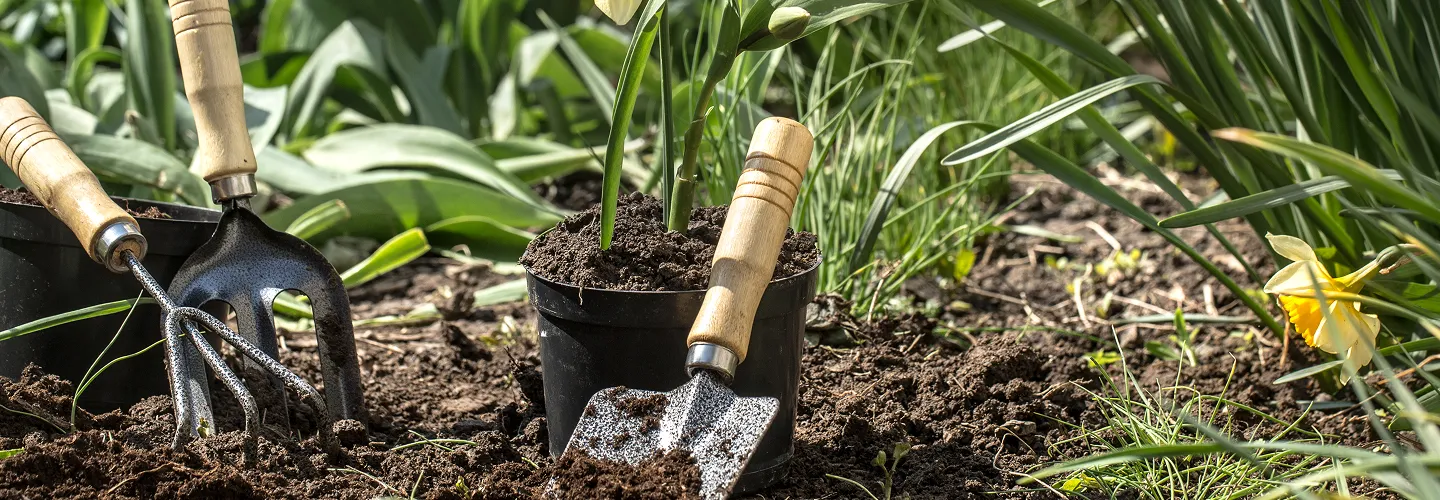
Pelican Marsh Flower Planting Services
Choose our Flower Planting services for vibrant, expertly arranged blooms that enhance your curb appeal and thrive in the Pelican Marsh climate—bringing lasting beauty and value to your property.
Get a Free QuoteOur Pelican Marsh Landscaping & Yard Care Services
When to Schedule Flower Planting in Pelican Marsh, Florida – Seasonal Guide
Flower planting in Pelican Marsh, Florida, is best scheduled with careful attention to our unique subtropical climate and the specific needs of local landscapes. The optimal planting windows typically fall between late October and early April, when cooler temperatures and lower humidity levels help new blooms establish strong roots. This timing also avoids the intense summer heat and heavy rainfall that can stress young plants. Neighborhoods like Timarron and Watercrest, with their mix of sun-drenched lawns and shaded walkways, benefit from tailored planting schedules that account for microclimates and varying soil conditions.
Local environmental factors play a significant role in determining the best time for flower planting. For example, Pelican Marsh’s proximity to the Gulf means higher humidity and occasional salt spray, while areas near the golf course may experience different soil drainage compared to homes along the preserve. It’s important to consider the last frost date—typically in late January—as well as the risk of drought during spring. For more information on local climate patterns and gardening resources, visit the Sudbury municipal site.
Local Factors to Consider for Flower Planting in Pelican Marsh
- Tree density and shade coverage, especially in neighborhoods like Ivy Pointe
- Soil type and drainage, which can vary between lakeside and inland properties
- Seasonal precipitation patterns and risk of drought
- Municipal landscaping restrictions or HOA guidelines
- Proximity to saltwater or brackish areas
- Terrain elevation and risk of flooding during heavy rains
Benefits of Flower Planting in Pelican Marsh
Enhanced Curb Appeal
Seasonal Color Variety
Expert Plant Selection
Low Maintenance Solutions
Eco-Friendly Landscaping
Increased Property Value
Pelican Marsh Flower Planting Types

Annual Flower Beds
Seasonal color displays using vibrant annuals for maximum visual impact.
-
Perennial Gardens
Long-lasting blooms with low-maintenance perennial flower selections.
-
Native Wildflower Plantings
Eco-friendly landscapes featuring Florida-native wildflowers.
-
Butterfly and Pollinator Gardens
Flower beds designed to attract butterflies and beneficial pollinators.
-
Shade-Loving Flower Beds
Specialized plantings for areas with limited sunlight.
-
Drought-Tolerant Flower Gardens
Water-wise flower selections for sustainable landscaping.
Our Flower Planting Process
Site Evaluation
Soil Preparation
Flower Selection
Planting
Watering and Mulching
Why Choose Pelican Marsh Landscape Services
-
Pelican Marsh Homeowners Trust Us
-
Expert Lawn Maintenance
-
Reliable Irrigation Solutions
-
Comprehensive Tree Care
-
Prompt Response Times
-
Competitive Pricing
-
Personalized Service Plans
Coordinating Flower Planting Projects with Pelican Marsh's District and County Offices
Pelican Marsh operates under a Community Development District (CDD) that manages common-area landscaping, stormwater infrastructure, and community appearance standards. Residents and property managers planning flower planting projects should first confirm whether proposed plantings fall within CDD-maintained common areas or individual lot boundaries, as the approval process differs. For plantings along shared buffers, lake banks, or entrance corridors, the CDD board may need to review species selections and irrigation modifications before work begins. Collier County's Environmental Landscaping division also administers landscape-related regulations that apply to properties within Pelican Marsh, including native vegetation preservation requirements and planting standards near environmentally sensitive areas. Residents should verify current community guidelines through the district office before purchasing plant material.
Pelican Marsh Community Development District
Official Website: Pelican Marsh Community Development District
Collier County Environmental Landscaping
Official Website: Collier County Environmental Landscaping
How Pelican Marsh's Subtropical Climate and Soils Shape Flower Planting Success
Pelican Marsh sits within USDA Hardiness Zone 10a, placing it firmly in South Florida's tropical-subtropical corridor where freeze events are rare but not impossible. The following local conditions directly influence flower planting outcomes:
- Sandy, low-nutrient soils: Much of Collier County features sandy coastal soils with rapid drainage and minimal organic matter, meaning nutrients leach quickly and soil amendments are essential at planting time
- High water table: Pelican Marsh's network of lakes, retention ponds, and interconnected stormwater basins reflects a seasonally high water table that can saturate root zones during the wet season (June through October)
- Intense summer heat and humidity: Afternoon temperatures regularly exceed 90°F from May through September, creating heat stress for many flowering species and promoting fungal diseases such as root rot and leaf spot
- Salt exposure: While Pelican Marsh is not directly oceanfront, its proximity to the Gulf Coast means occasional salt-laden winds can damage sensitive flower varieties, particularly during tropical weather events
- Nutrient runoff sensitivity: Fertilizer and soil amendments applied to flower beds can migrate into the community's lake and retention systems during heavy rain events, making runoff-conscious planting practices critical
The USDA Plant Hardiness Zone Map confirms the zone classification that should guide all species selection for this area.
Navigating Collier County's Landscaping Regulations for Flower Planting in Pelican Marsh
Flower planting in Pelican Marsh must comply with both Collier County land development codes and the community's internal architectural and landscape standards. Key regulatory considerations include:
- Fertilizer ordinance compliance: Collier County enforces a Florida-Friendly fertilizer ordinance that restricts nitrogen and phosphorus application near waterways; residents should verify current blackout periods and application rates before fertilizing new flower beds
- Stormwater protection: Any planting activity that disturbs soil near retention ponds, swales, or lake edges must prevent sediment discharge into the stormwater system, consistent with the Florida DEP NPDES Stormwater Program
- Pesticide use: Chemical treatments applied to flower beds require compliance with FDACS pesticide applicator licensing requirements when performed commercially
- Native vegetation buffers: Collier County may require preservation of existing native vegetation in designated buffer zones; confirm setback and preservation requirements through the county's planning resources
Collier County Pollution Control
Official Website: Collier County Pollution Control
Timing and Methods for Flower Planting Around Pelican Marsh's Wet and Dry Seasons
Professional flower planting in Pelican Marsh follows seasonal windows dictated by South Florida's distinct wet and dry periods. The following standards apply to successful installations:
- Optimal planting windows: The dry season (November through May) offers the most controlled planting conditions, with lower fungal pressure and manageable irrigation scheduling; early wet-season planting (June) is feasible but requires close drainage monitoring
- Species selection: Region-appropriate choices for Pelican Marsh include pentas, lantana, plumbago, firebush, blanket flower, and society garlic—all of which tolerate Zone 10a heat, humidity, and sandy soils while supporting pollinators
- Soil preparation: Amend sandy native soil with composted organic matter to improve moisture retention and nutrient availability; avoid over-amending, which can create drainage inconsistencies in beds adjacent to retention areas
- Irrigation coordination: New plantings require consistent moisture during establishment, typically through drip emitters or micro-spray heads that minimize overspray onto hardscape and reduce runoff into nearby swales or lake banks; the EPA WaterSense program provides guidance on efficient outdoor irrigation practices
- Mulch application: Apply two to three inches of organic mulch around new plantings to moderate root-zone temperatures, suppress weeds, and reduce evaporation; keep mulch pulled back from plant stems to prevent crown rot in humid conditions
UF/IFAS provides additional guidance on protecting Florida's water resources during landscape installation and maintenance activities.
What Neighborhoods Do We Serve Throughout Pelican Marsh, FL?
- Osprey Pointe: Lakefront homesites with direct exposure to community water features require careful species selection and runoff-conscious bed preparation to protect adjacent retention areas
- Timarron: Larger estate-style lots with mature canopy trees create variable shade and sun conditions that influence flower placement and irrigation zoning across individual properties
- Seville: Attached villa-style residences with compact landscaped areas benefit from dense, low-maintenance flowering species suited to smaller bed footprints and shared irrigation systems
- Clermont: Single-family homes with established landscape beds along streetscapes and entry corridors where seasonal flower rotations maintain community appearance standards
- Egret Landing: Properties adjacent to preserve and wetland buffers where planting must respect native vegetation setbacks and avoid introducing invasive ornamental species
- Arielle: Coach-home neighborhoods with HOA-managed common beds and individual courtyard plantings that require coordination between unit owners and community management for consistent appearance