
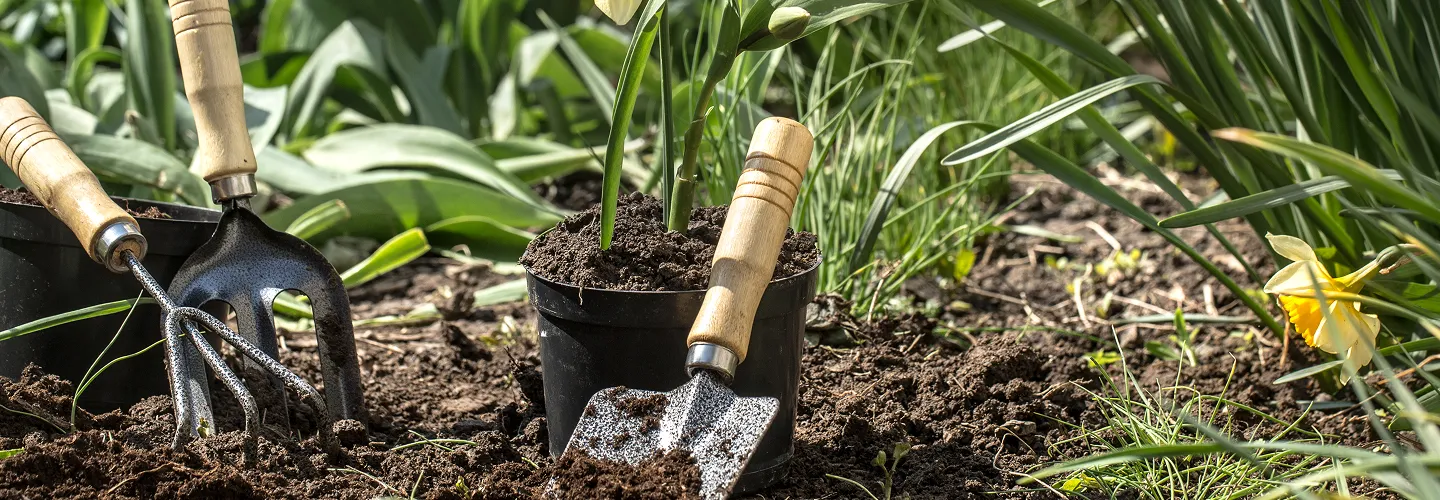
Pelican Marsh Flower Bed Maintenance Services
Choose our Flower Bed Maintenance for expert care, vibrant blooms, and a hassle-free experience that keeps your landscape beautiful and healthy season after season.
Get a Free QuoteOur Pelican Marsh Landscaping & Yard Care Services
When to Schedule Flower Bed Maintenance in Pelican Marsh, Florida – Seasonal Guide
In Pelican Marsh, Florida, the timing of flower bed maintenance is crucial for keeping your landscape vibrant and healthy year-round. Thanks to our subtropical climate, with warm, humid summers and mild winters, most flower beds benefit from scheduled maintenance in early spring and late fall. These periods allow for optimal planting, pruning, and soil amendment before the intense summer heat or occasional winter chill sets in. Local neighborhoods like Timarron and Watercrest often experience microclimates due to varying shade coverage and proximity to water features, which can influence the best times for mulching and fertilization.
Environmental factors unique to Pelican Marsh—such as sandy soils, high humidity, and the risk of drought during late spring—require a tailored approach. Monitoring local frost dates is essential, as unexpected cold snaps can impact tender annuals. Additionally, municipal guidelines and community association rules, which can be found on resources like the Sudbury town website, may affect when and how certain maintenance tasks are performed.
Local Factors to Consider for Flower Bed Maintenance in Pelican Marsh
- Tree density and shade coverage, especially near The Estates and Gables neighborhoods
- Soil composition, with sandy and well-draining soils common throughout the area
- Seasonal precipitation patterns and risk of drought in late spring
- Humidity levels that can promote fungal growth if beds are not properly maintained
- Terrain variations, including elevation changes near golf course boundaries
- Municipal or HOA restrictions on irrigation and fertilizer use
Benefits of Flower Bed Maintenance in Pelican Marsh
Enhanced Curb Appeal
Weed and Pest Prevention
Healthier Plant Growth
Seasonal Color Management
Professional Expertise
Time and Effort Savings
Pelican Marsh Flower Bed Maintenance Types

Seasonal Flower Planting
-
Weed Control Services
-
Mulching and Soil Conditioning
-
Pruning and Deadheading
-
Fertilization Programs
-
Pest and Disease Management
-
Irrigation System Monitoring
Our Flower Bed Maintenance Process
Site Evaluation
Weed Removal
Soil Cultivation
Mulching
Plant Health Inspection
Why Choose Pelican Marsh Landscape Services
-
Pelican Marsh Homeowners Trust Us
-
Expert Lawn Maintenance
-
Reliable Irrigation Solutions
-
Comprehensive Tree Care
-
Prompt Response Times
-
Competitive Pricing
-
Personalized Service Plans
Coordinating Flower Bed Maintenance with Pelican Marsh's District and County Oversight
Pelican Marsh operates as a Community Development District (CDD) within unincorporated Collier County, which means flower bed maintenance on residential and common-area properties must align with both CDD landscape standards and county-level environmental landscaping requirements. The Pelican Marsh CDD manages shared infrastructure including lakes, preserves, and drainage systems that border many residential flower beds, so any maintenance activity—mulch application, soil amendment, or seasonal replanting—should account for proximity to these managed features. Residents and property managers should confirm current community landscape guidelines through the CDD before undertaking significant bed modifications. Collier County's environmental landscaping division also administers native vegetation and landscape-related regulations that may affect plant selection and bed design in the community.
- Verify bed maintenance scope with the CDD before altering plantings near lakes, preserves, or common-area boundaries
- Coordinate vegetative debris removal with Collier County's collection procedures for unincorporated areas
- Confirm that any chemical applications near CDD-managed water features comply with district and county stormwater protections
Pelican Marsh Community Development District
Official Website: Pelican Marsh Community Development District
Collier County Environmental Landscaping
Official Website: Collier County Environmental Landscaping
How Pelican Marsh's Subtropical Climate and Soils Shape Flower Bed Performance
Pelican Marsh sits within USDA Hardiness Zone 10a, in the South Florida subtropical coastal corridor of Collier County. This classification directly influences which annuals, perennials, and ornamental shrubs can sustain year-round performance in flower beds. The area's sandy, low-organic soils—common across southwest Florida's coastal plain—drain rapidly, which accelerates nutrient leaching from bed areas and demands consistent irrigation and mulch coverage to retain moisture. The USDA Plant Hardiness Zone Map confirms the frost-free growing conditions that allow tropical and subtropical species to thrive but also sustain aggressive weed pressure throughout the year.
- High water table: Pelican Marsh's low elevation and proximity to managed lakes and wetlands mean flower beds in many areas sit close to the water table, affecting root health and drainage design
- Intense summer heat and humidity: Afternoon temperatures regularly exceed 90°F from May through October, increasing evapotranspiration and fungal pressure on bedding plants
- Wet-season saturation: Approximately 50–55 inches of annual rainfall, concentrated from June through September, can waterlog beds without proper grading and mulch management
- Sandy soil nutrient loss: Rapid percolation through sandy substrates carries fertilizer and amendments away from root zones, requiring slow-release formulations and careful application timing to protect nearby water features
Navigating Collier County's Regulations for Flower Bed Chemical Applications in Pelican Marsh
Flower bed maintenance in Pelican Marsh involves regulatory considerations at both the county and state level, particularly regarding fertilizer use and pesticide application near the community's extensive lake and preserve system. Collier County enforces a fertilizer ordinance consistent with Florida Statutes §403.9337, which establishes seasonal restrictions and application standards for urban landscapes. Residents and contractors should verify current blackout periods and application setbacks through the county, as these rules apply to flower beds as well as turf areas. Any commercial pesticide application in flower beds requires proper licensing through the Florida Department of Agriculture and Consumer Services, in accordance with Chapter 487 of the Florida Statutes.
- Fertilizer containing nitrogen or phosphorus must not be applied within designated buffer zones near water bodies; verify current setback distances with Collier County
- Stormwater runoff from flower beds drains into Pelican Marsh's interconnected lake and canal system, which is subject to Florida DEP NPDES stormwater requirements
- Granular fertilizer or soil amendments must not be swept or blown into storm drains, swales, or lake edges
- Pesticide drift near preserve areas or CDD-managed buffers may trigger additional compliance concerns
Collier County Pollution Control
Official Website: Collier County Pollution Control
Timing Flower Bed Maintenance Around Pelican Marsh's Wet Season and Heat Cycles
Professional flower bed maintenance in Pelican Marsh follows seasonal rhythms dictated by the area's subtropical wet-dry cycle. Scheduling bed work around these patterns improves plant establishment, reduces waste, and minimizes environmental impact on the community's water management system.
- Seasonal replanting: Cool-season annuals such as impatiens, petunias, and pentas are typically installed between October and March, when lower humidity reduces transplant shock; warm-season rotations with heat-tolerant species like lantana, vinca, and portulaca are better suited to the May–September window
- Mulch replenishment: Beds should be refreshed with two to three inches of organic mulch at least twice per year—once before the wet season begins in June and again in late fall—to suppress weeds, moderate soil temperature, and reduce moisture loss
- Deadheading and cleanup: Spent blooms and decaying foliage should be removed on a regular cycle to prevent fungal colonization, which accelerates in Pelican Marsh's humid summer months
- Irrigation emitter checks: Drip emitters and micro-spray heads in flower beds require inspection before each planting cycle to ensure uniform coverage and prevent overwatering that contributes to root rot or runoff
- Weed suppression: Pre-emergent barriers applied at the start of the warm season help control weed flushes triggered by summer rainfall; hand weeding remains the preferred method near lake edges and preserve buffers to avoid herbicide drift
Soil amendments and slow-release fertilizers should be incorporated during planting rather than surface-applied before heavy rain events, consistent with UF/IFAS guidance on protecting Florida's water resources.
What Neighborhoods Do We Serve Throughout Pelican Marsh, FL?
- Timarron: Properties in this neighborhood feature mature tropical landscaping and lake-adjacent lots where flower bed maintenance must account for root competition from established trees and proximity to CDD-managed water features.
- Osprey Pointe: These residences border interior lakes and preserves, requiring careful mulch and fertilizer management to prevent nutrient migration into the stormwater system.
- Egret: Homes in Egret sit along landscaped corridors with irrigated common areas, and individual flower beds benefit from coordinated irrigation scheduling to avoid overwatering during the wet season.
- Arielle: This neighborhood's villa-style properties often have compact bed areas near entryways and walkways, where reflected heat from pavement increases plant stress and irrigation demand.
- Clermont: Larger single-family lots in Clermont support expansive flower bed installations that require consistent seasonal rotation and mulch management across extended frontages.
- Ventura: Properties adjacent to preserve buffers in Ventura require flower bed maintenance practices that respect setback requirements and avoid chemical applications near protected vegetation zones.